
Home/RIC2025
RIC2025
The second Regional Industrialization Conference, at the Kampala Serena Hotel on 5 and 6 August 2025. The year RIC moved from why the region should industrialise to how.
RIC2025 in numbers
Two days on what is actually holding industry back.
Day 1 opened with agricultural transformation, the agro-industrial potential of the EAC, finance and trade policy. It moved on to harmonising policy across partner states, unlocking trade and investment, illicit trade and counterfeits, and finished on logistics, energy and infrastructure.
Day 2 turned to money: lending rates, capital markets, green finance, the gender gap in industrial credit, and energy prices for factories. Every session ended with commitments and recommendations, collected in the highlights report.
What delegates flagged
of manufacturing input costs in Uganda go on transport and logistics, against a global average of about 8%.
of Uganda’s 1,266 km rail network was working, limiting freight across the region.
of alcohol products on the market were illicit, alongside counterfeit tobacco, agro-inputs, steel and chemicals.
average interest on shilling loans, against 7-9% globally, keeping factories from borrowing.
of formal industrial credit reaches women-led enterprises.
per kWh paid by industrial users, with system losses of 16.2% in 2023.
Figures as presented at RIC2025 and recorded in the conference highlights report.
Commitments made in the room
All commitments in the reportHarmonise EAC policy
Partner states to align industrial, investment and trade policy, including tax, incentives and standards. The aim: lift intra-EAC trade from 28% towards 40% by 2030.
One private-sector voice
PSFU, Rwanda Private Sector Federation and EABC to coordinate advocacy for regional reforms.
Go after non-tariff barriers
Business and governments to jointly target NTBs, smuggling, dumping and counterfeits, which UNCTAD puts at about USD 490 million a year for the EAC.
Fix the railways
Uganda Railways Corporation to restore the Western, Northern and Malaba-Mukono lines within five years, and plan logistics hubs in Tororo, Gulu and Kampala.
Digital tracking against illicit trade
Wider use of smartphone authentication, digital tax stamps and cargo tracking.
Finance for industry and women
More concessional finance through ACF and UDB, and the GROW programme reaching women entrepreneurs with credit and business support.
Policy recommendations
- Cut logistics costs by rehabilitating rail, expanding warehousing and linking hubs to manufacturing zones
- Create a regional industrialisation fund for large cross-border projects
- Map where each partner state should specialise, to stop duplicating the same industries
- Harmonise EAC standards and certification
- Bring average lending rates below 12% with concessional credit and risk-sharing
- Launch a national green financing facility of at least UGX 500 billion over five years
- Make sure at least 30% of industrial credit reaches women-led businesses
- Offer incentives to process raw materials inside the region
Said on stage at RIC2025
1 of 7
AI is not a buzzword for Uganda’s industrial journey. It is a tool we must master.
The East African Common Market Protocol was created to unify us, yet no country has fully implemented it.
When women earn, entire households and communities benefit.
Without reliable energy sources and true energy security, a country cannot achieve social or economic transformation.
We must now deliberately empower our SMEs to take charge of processing, packaging and manufacturing.
For a sector that has long faced limited access to affordable financing, this marks a significant breakthrough.
If the business community does not operate as a united front, speaking with one voice, it becomes difficult for our governments to hear us clearly.
RIC2025 partners and sponsors
















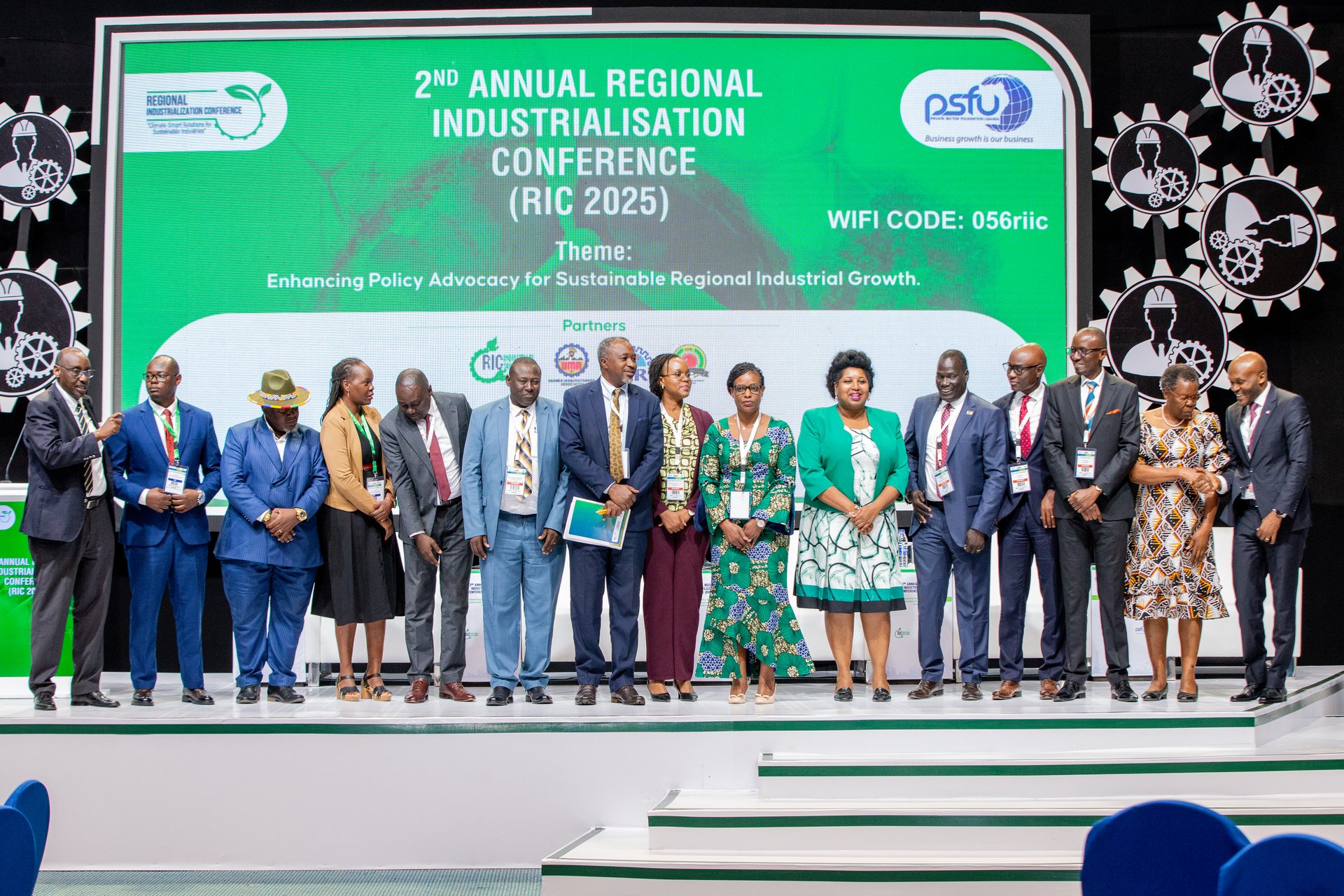
RIC2025 in pictures
RIC2025 resources
RIC2025 highlights report
Emerging issues, commitments and policy recommendations from both days. PDF, 13 MB.
Download PDF FilmsRIC2025 films
Session recordings and highlights on the INUMA Solutions YouTube channel.
Watch on YouTube Poster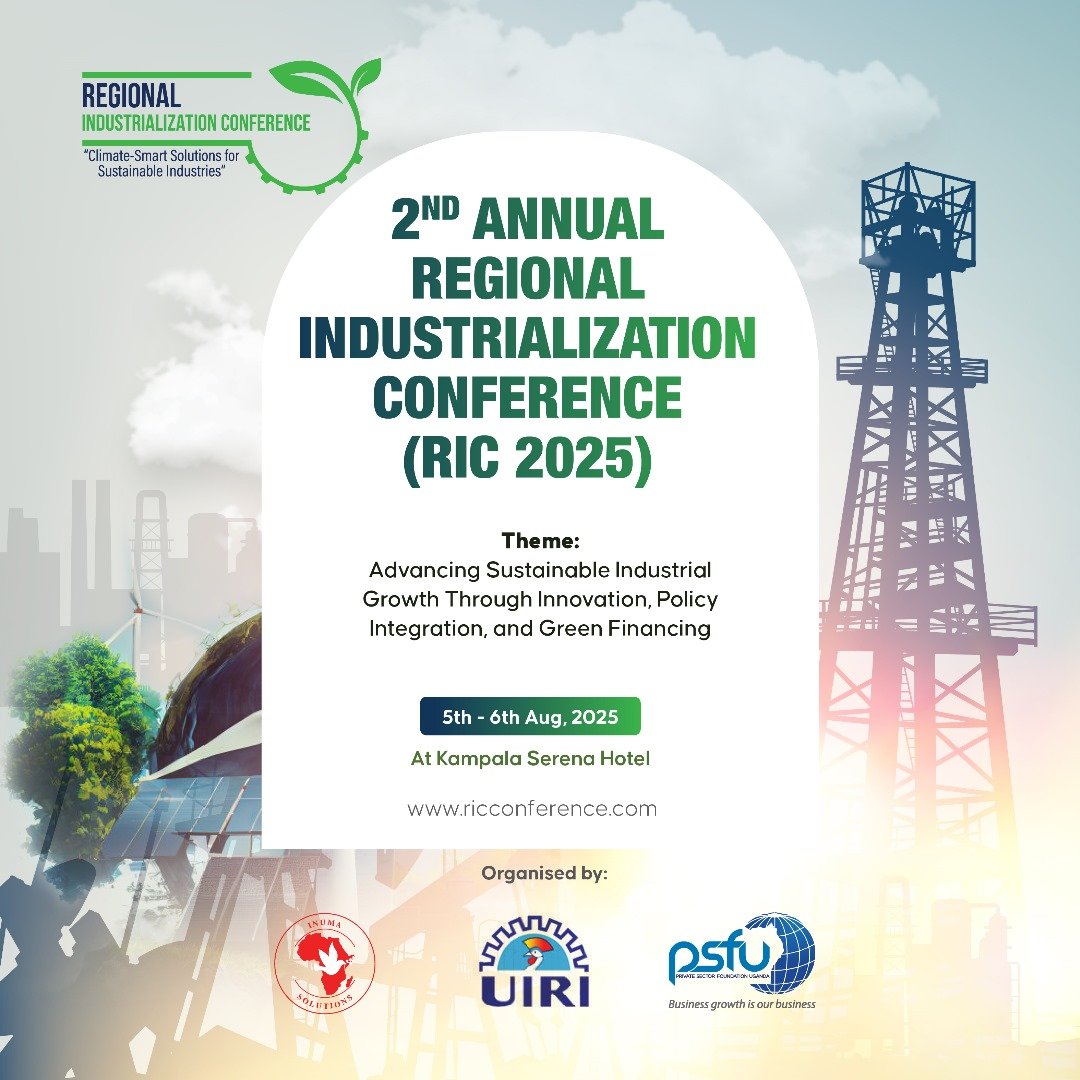
Official RIC2025 poster
The poster used to announce the second edition.
View posterSee you at RIC2027
Register your interest and you’ll get the dates first.